
project Decay
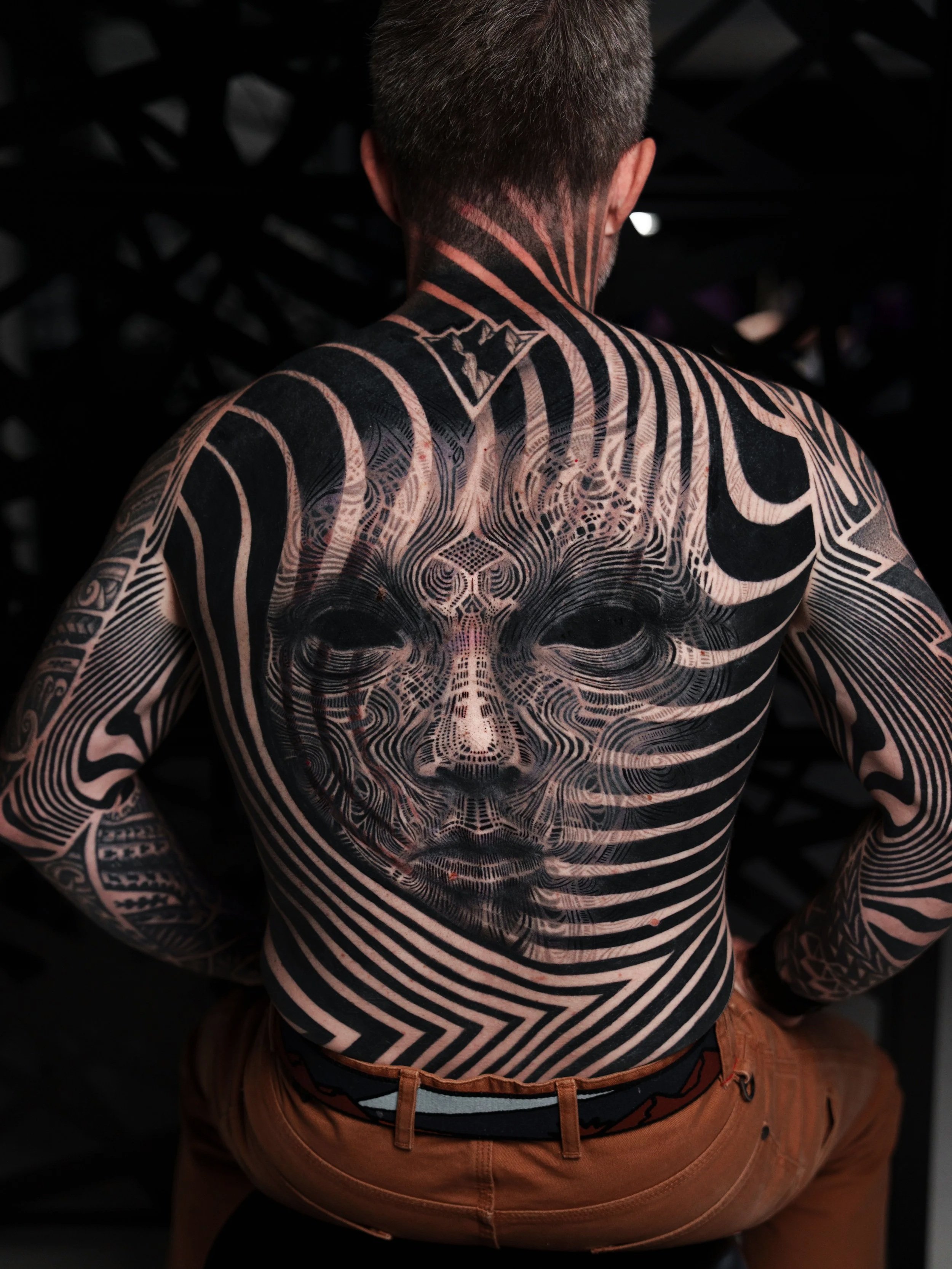
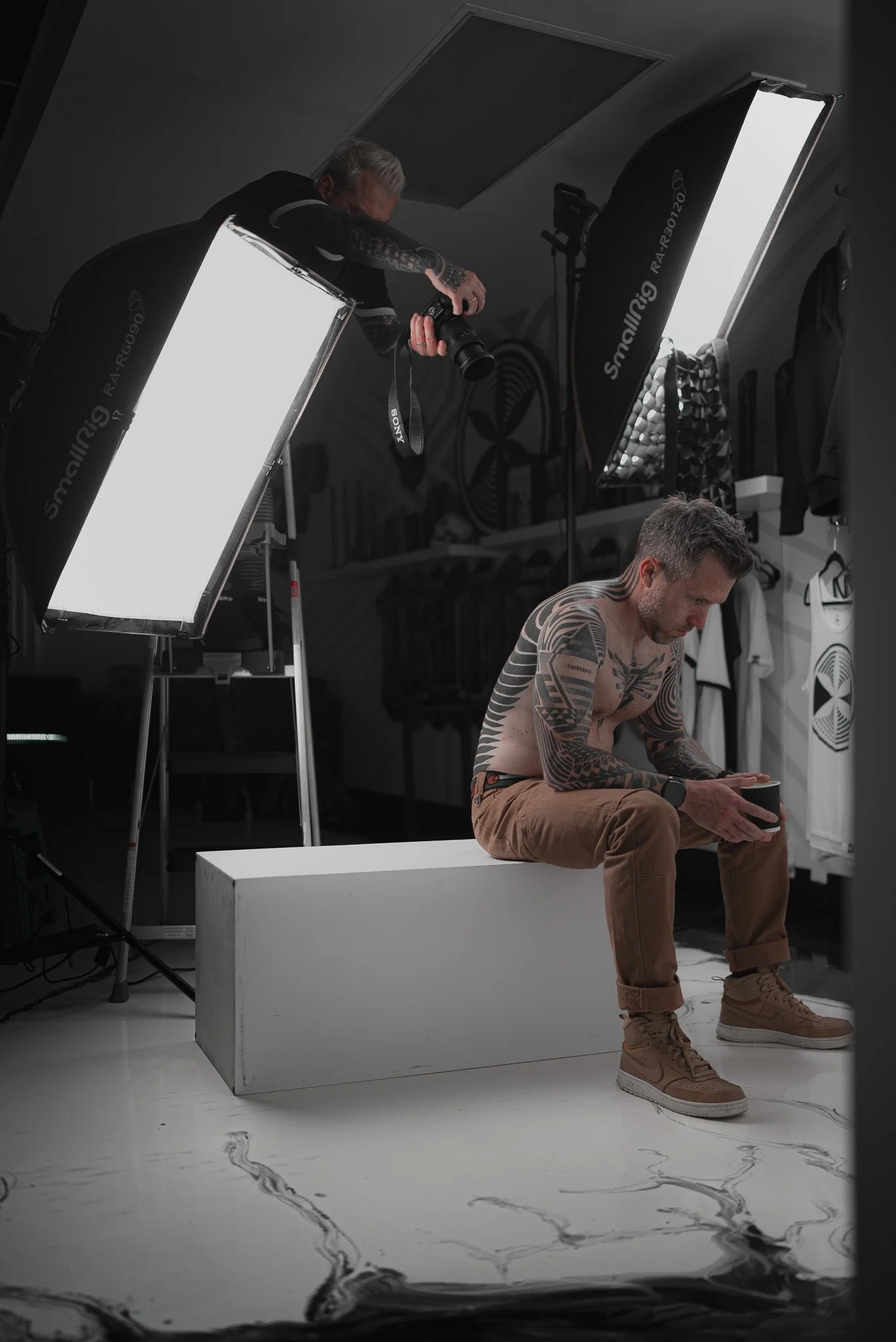
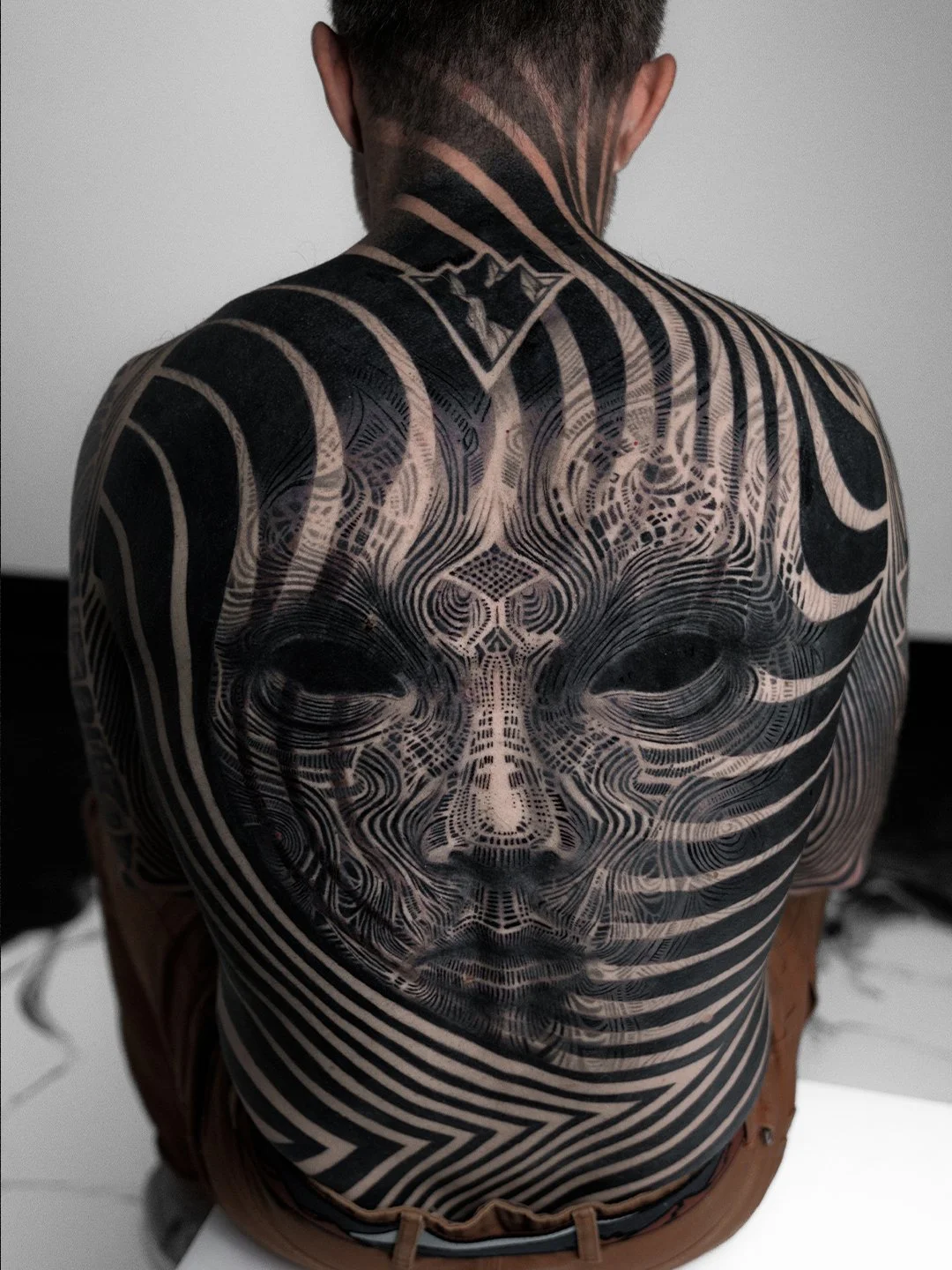
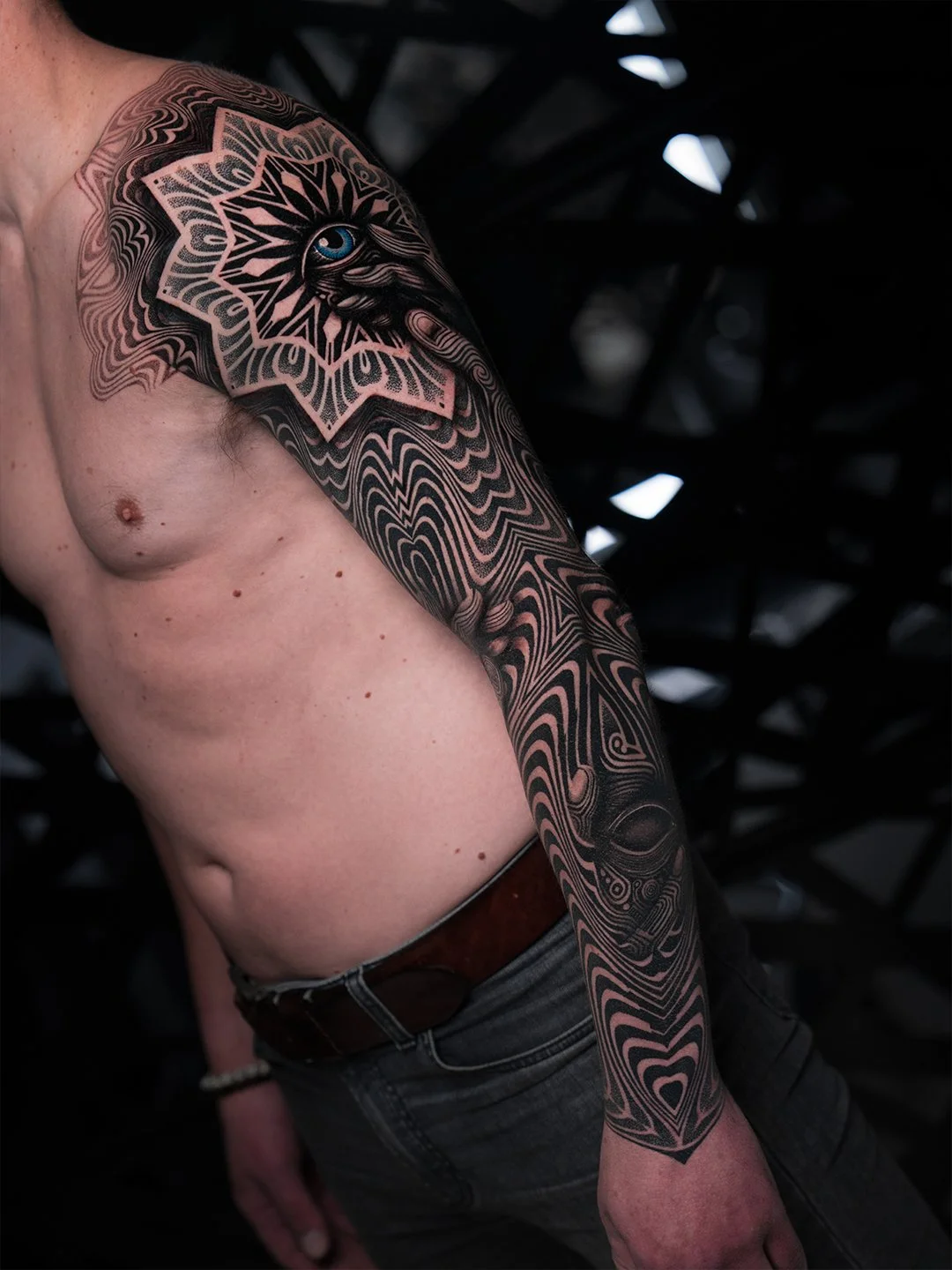
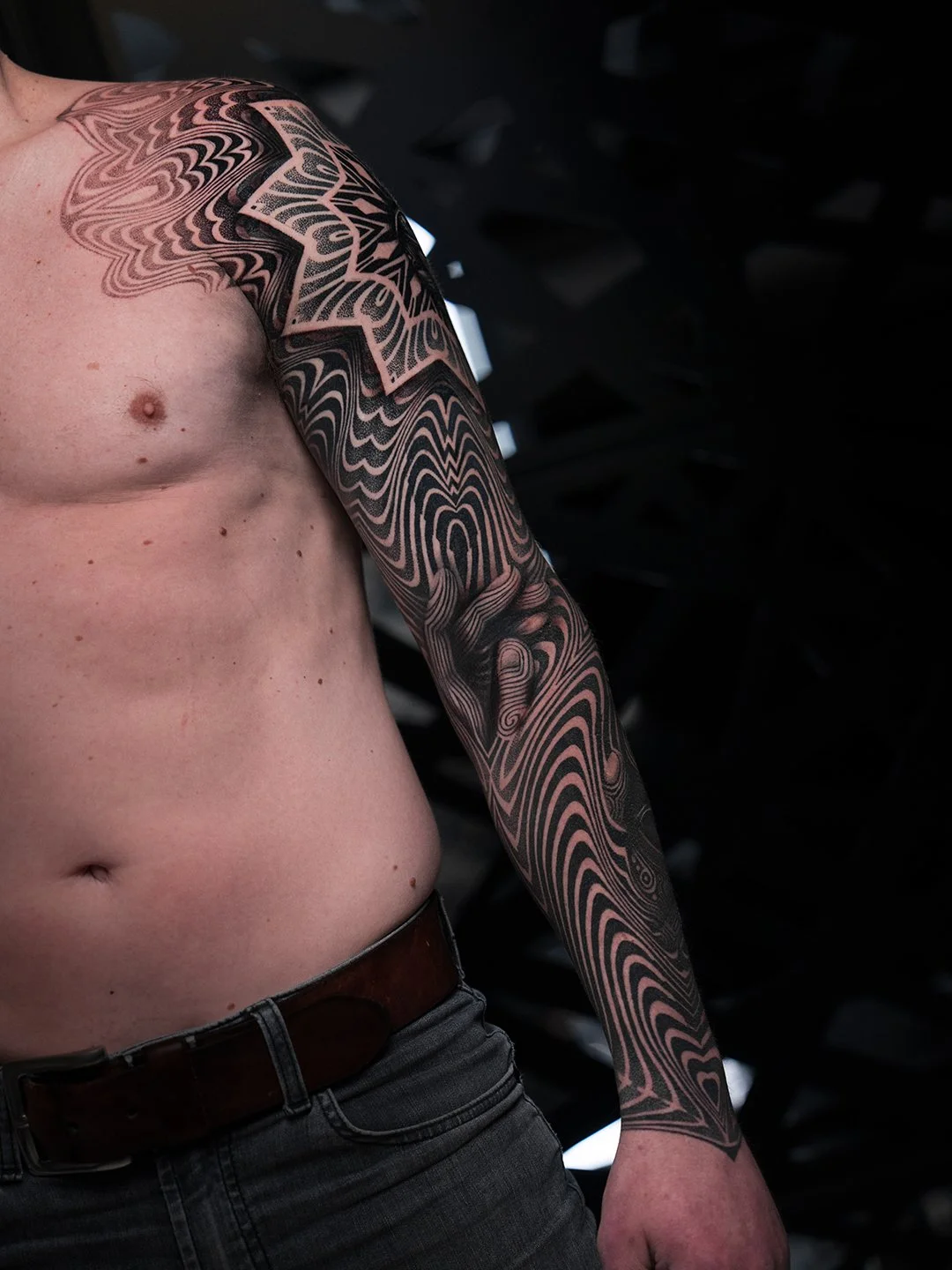
first backpiece of project decay series. “ emergence” - 2026 on Evgeny Vasenev
tHE BEGINNING
For more than thirteen years, ornamental tattooing has been at the core of my work, I have always been drawn to the way ornament can combine seemingly opposite qualities:
softness and rigidity, beauty and aggression, the natural movement of lines and strict structure. Long before I began tattooing, however, I was fascinated by a very different visual
aesthetic. One of my strongest sources of inspiration was the biomechanical imagery of H.R. Giger. His fusion of organic, anatomical, and surreal elements had a profound influence
on the way I see and understand visual form.
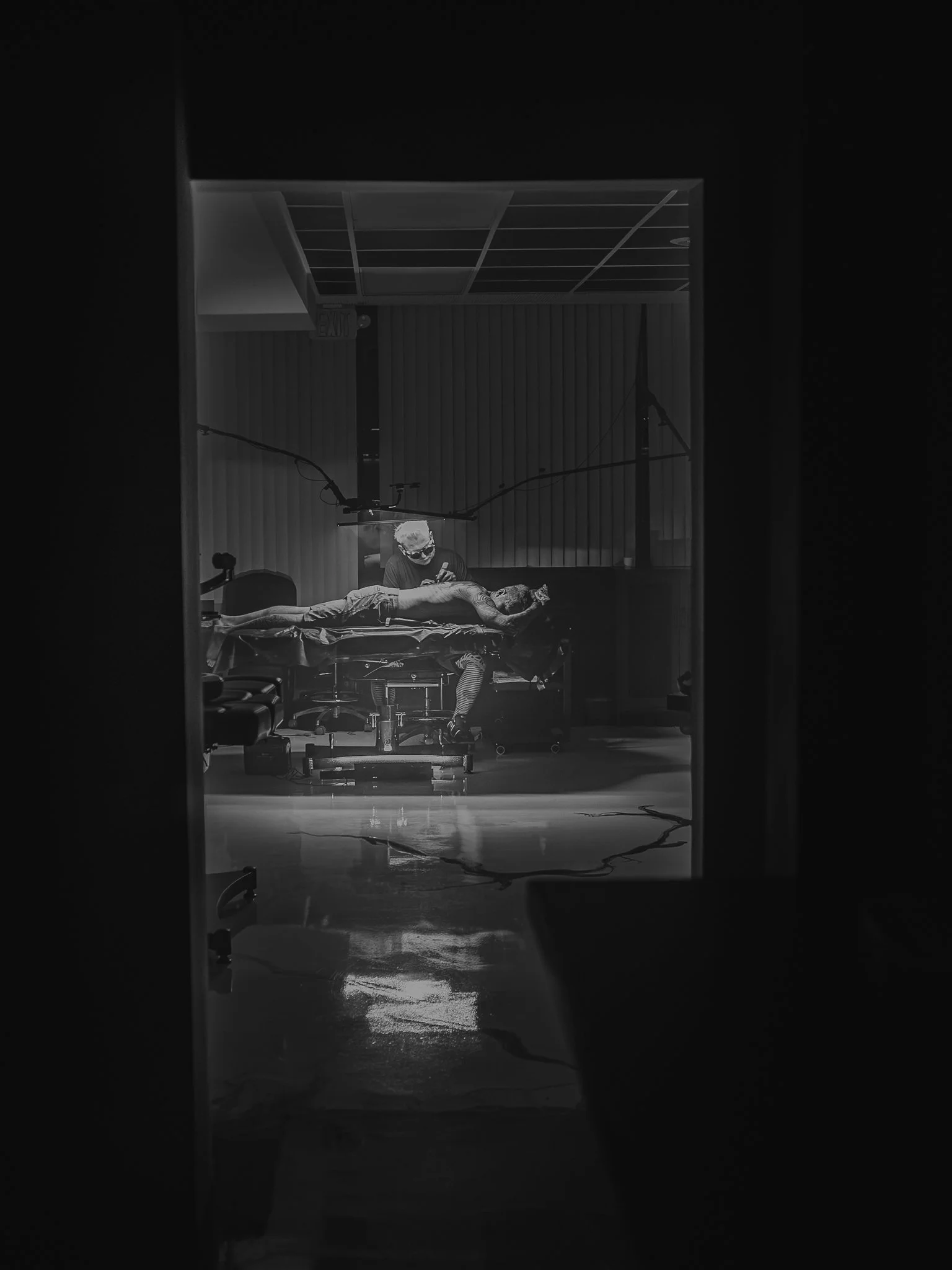
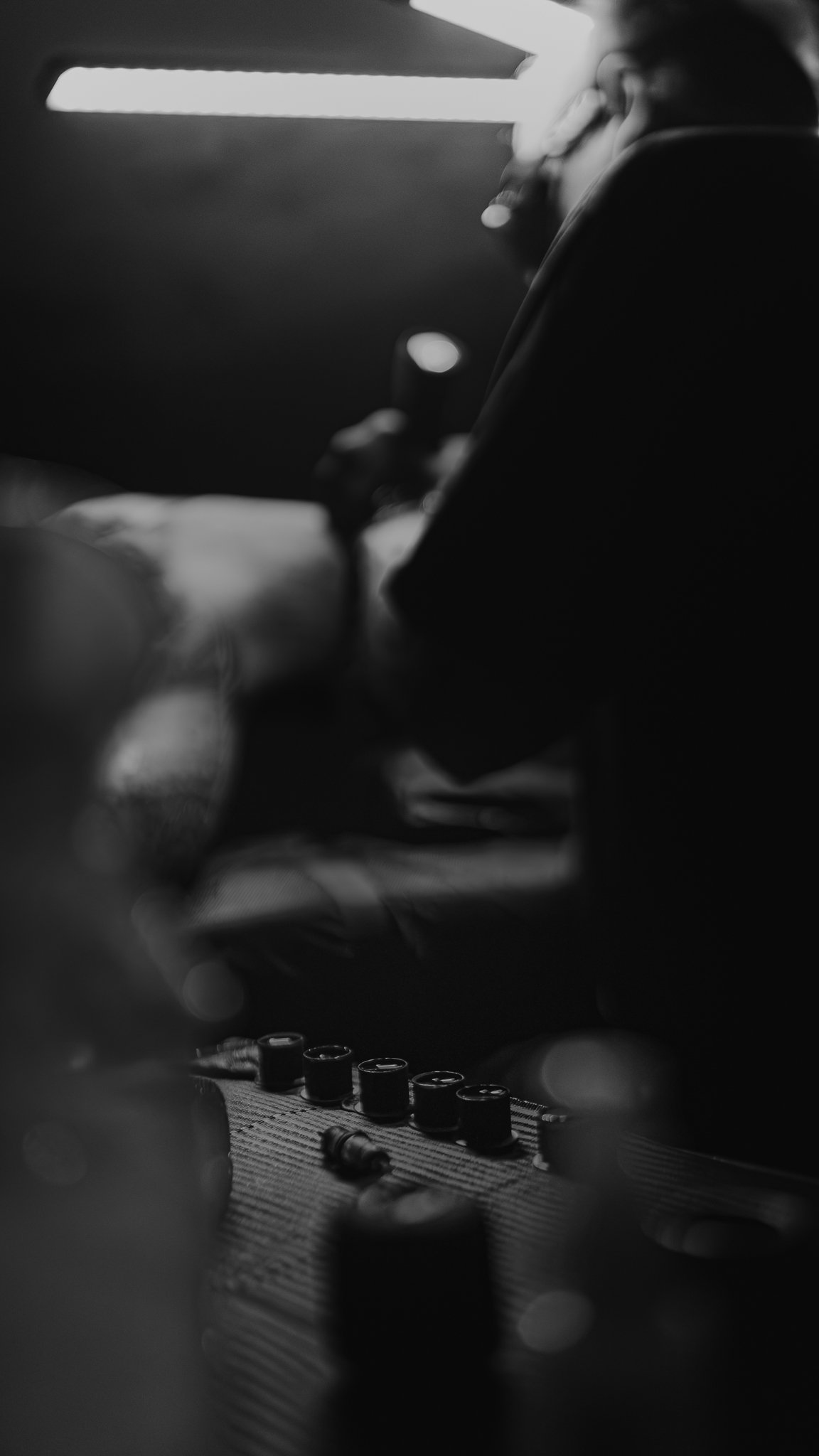
INSPIRATION
I was also always drawn to surrealism, anatomical forms, and complex organic structures - imagery in which the familiar human form is transformed, distorted, and merged with something abstract and unfamiliar. For a long time, these two visual worlds existed separately for me. Ornament became the language through which I learned to work with the human body. Over the years, I became increasingly interested in the relationship between an image and anatomy: how lines change with the shape of the body, how a composition can emphasize its movement, and how an image stops being perceived as something separate once it becomes part of the human form.
That is how Project Decay was born.
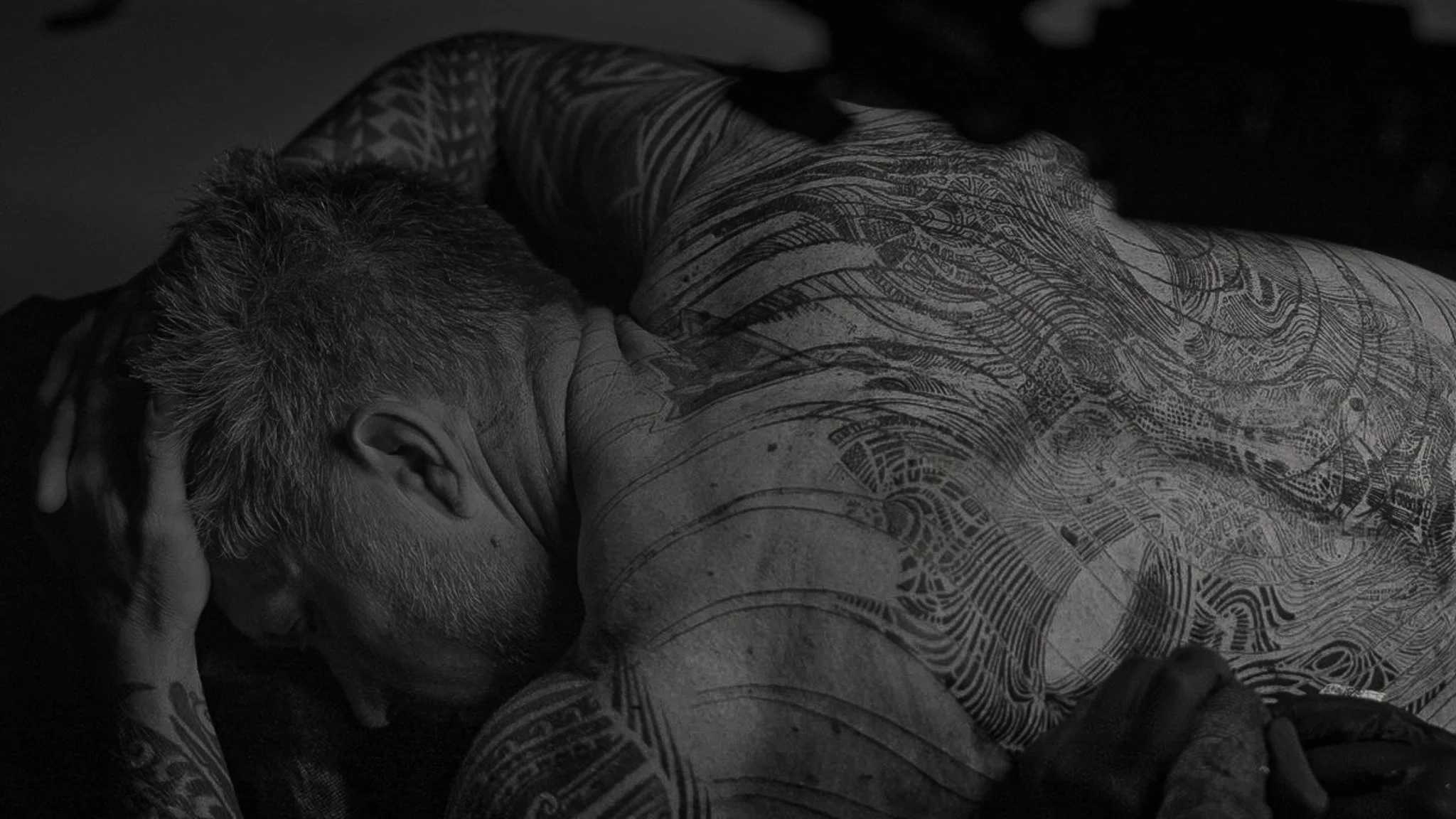
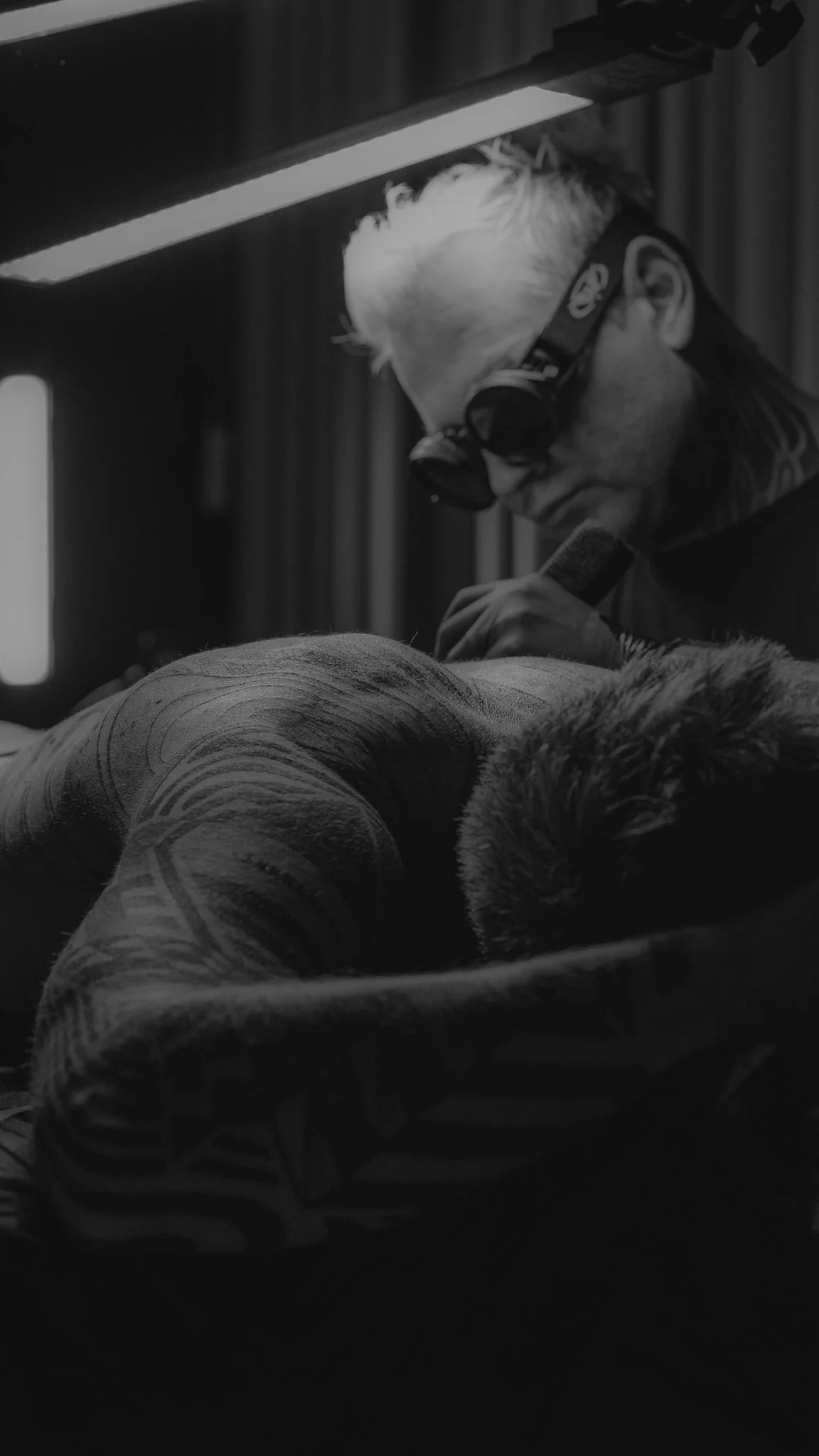
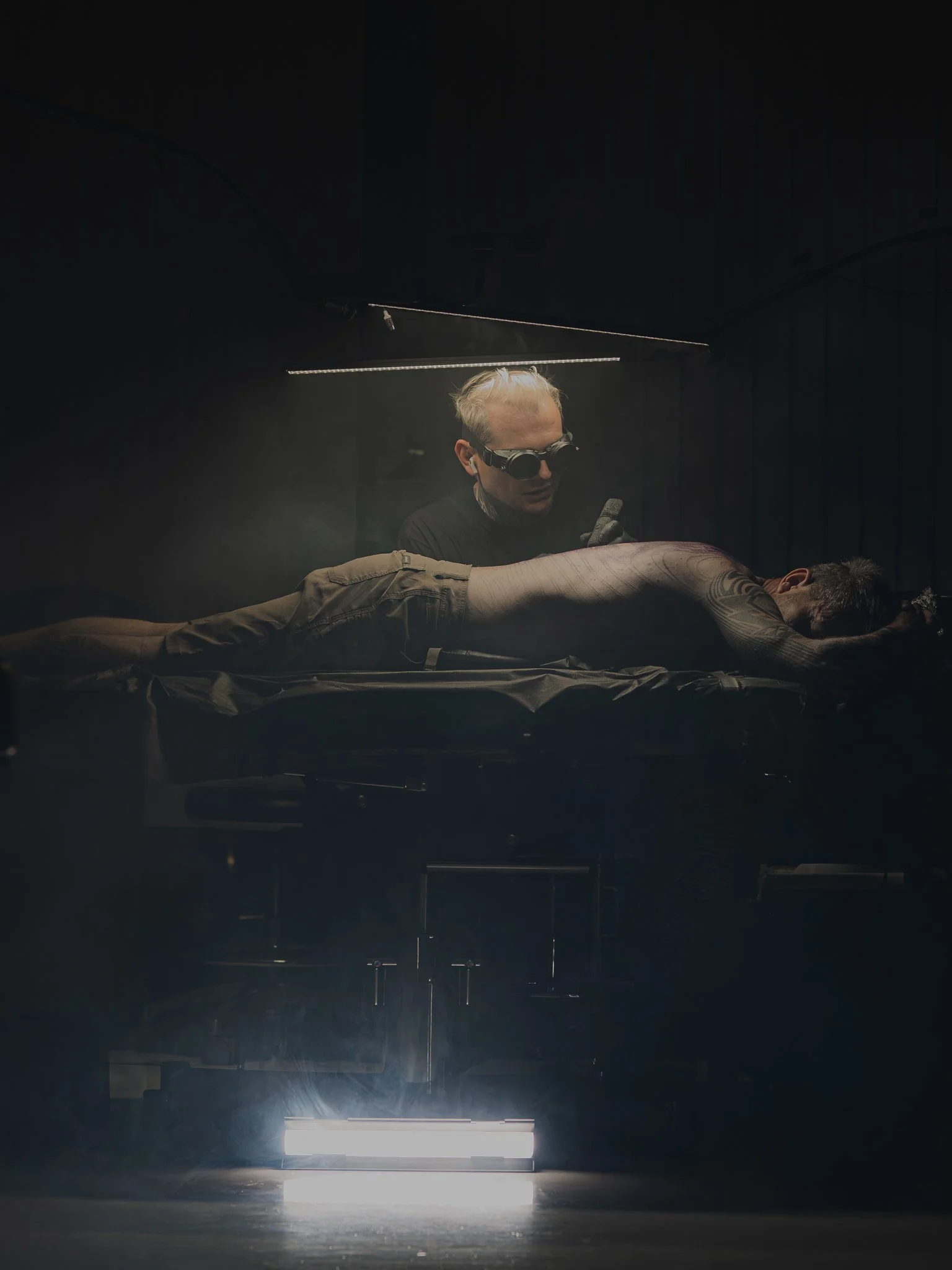
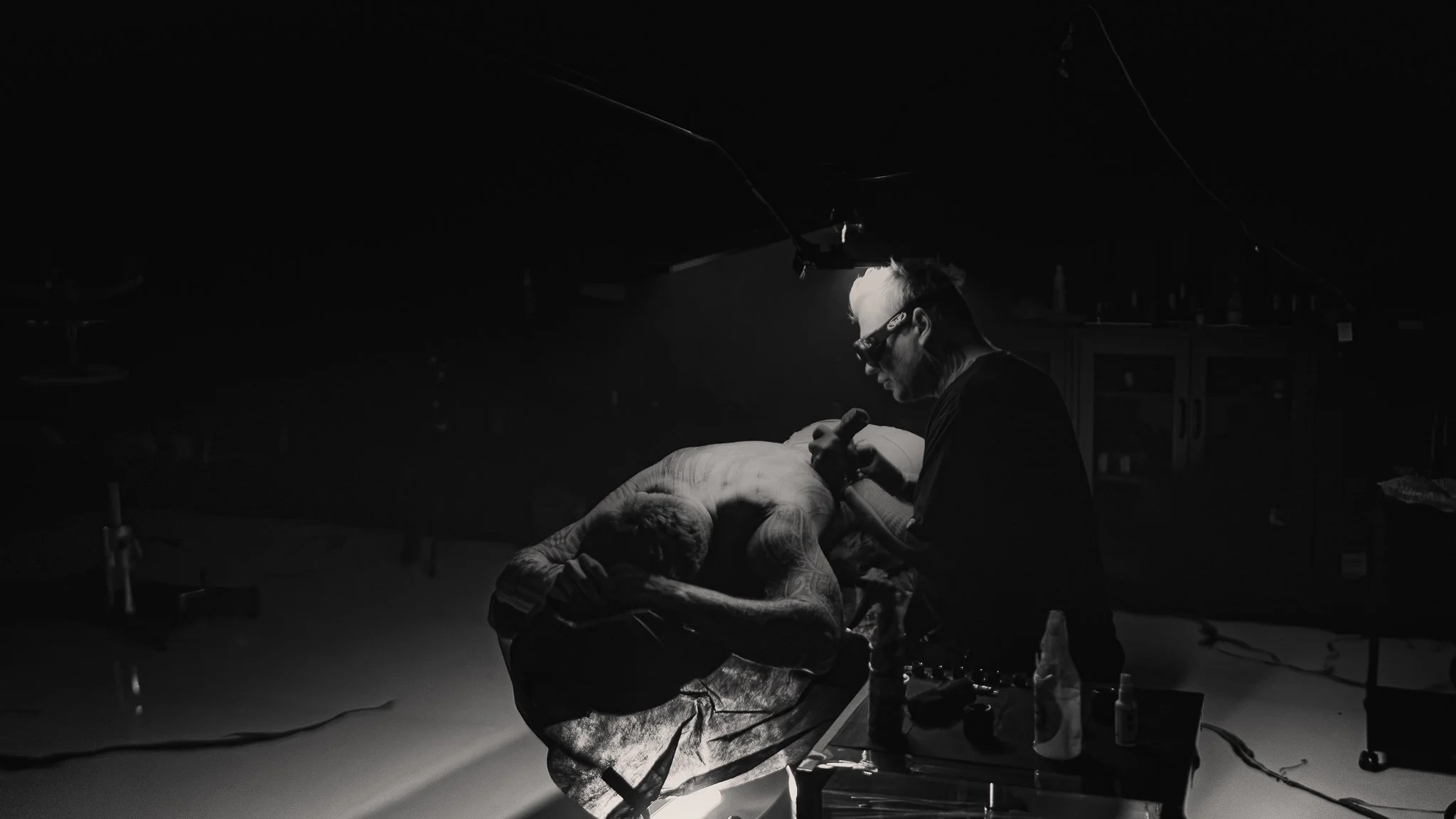
day two, lining and filling in “emergence” on Evgeny Vasenev.
Through years of working in ornamental tattooing, I accumulated a great deal of experience, and with it, my own artistic vision gradually began to take shape. I wanted to create something more personal - a project where I could bring that experience together with the imagery and aesthetics that had inspired me for many years. I wanted to see what would happen if I combined my experience with ornament with the visual elements that had always existed somewhere
alongside it: organic structures, human anatomy, faces, eyes, fragments of the body, optical effects, and surreal distortions.
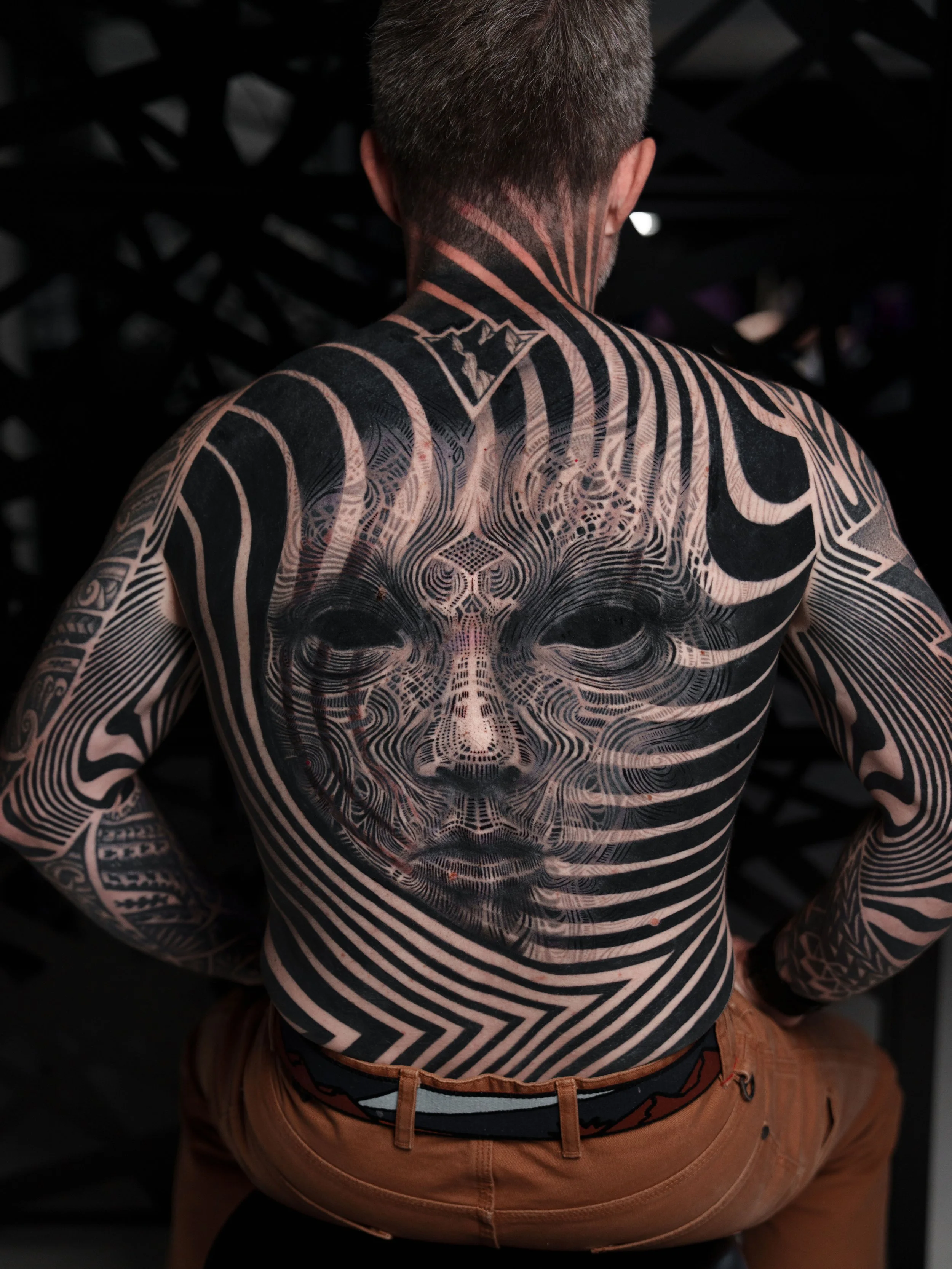
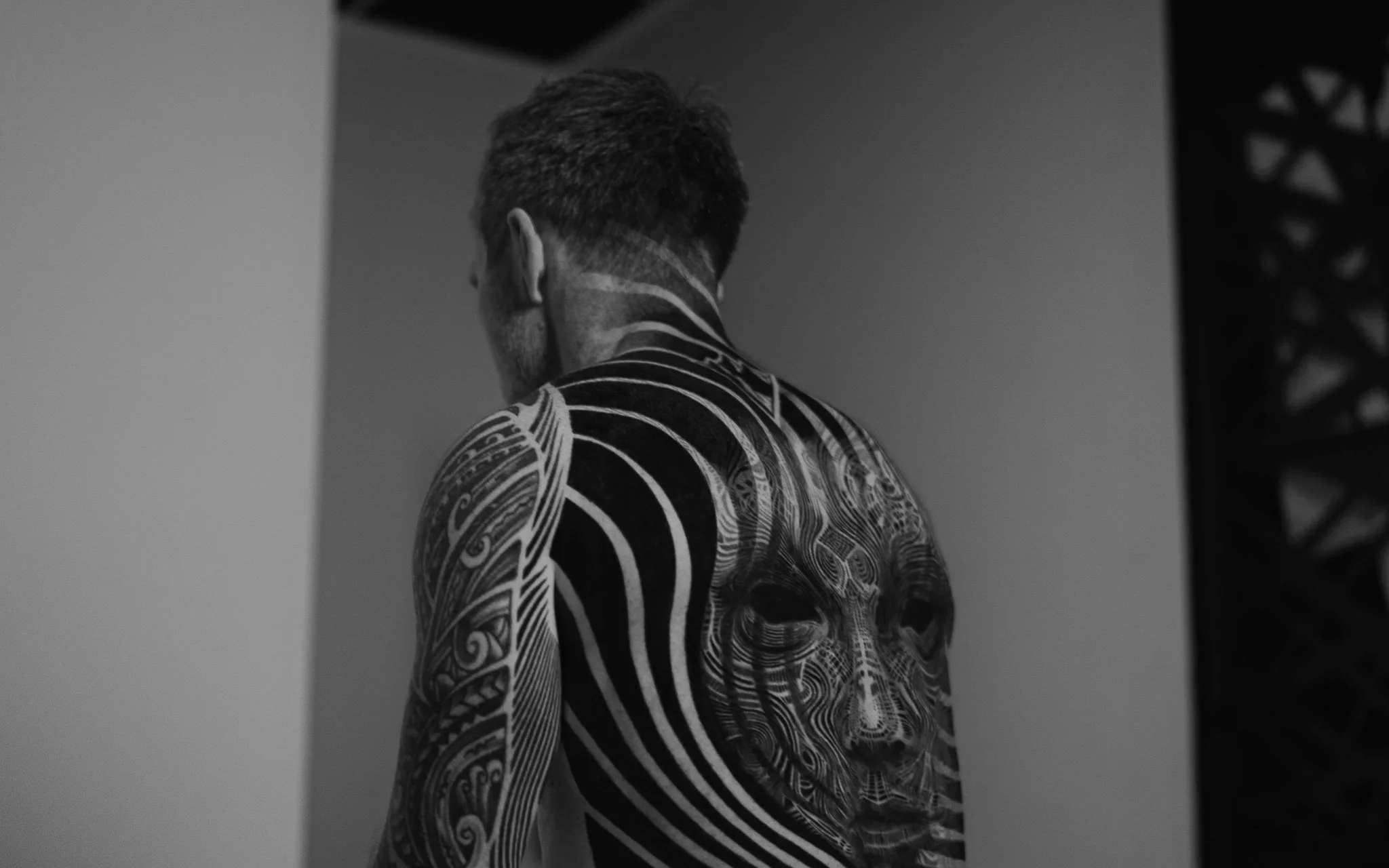
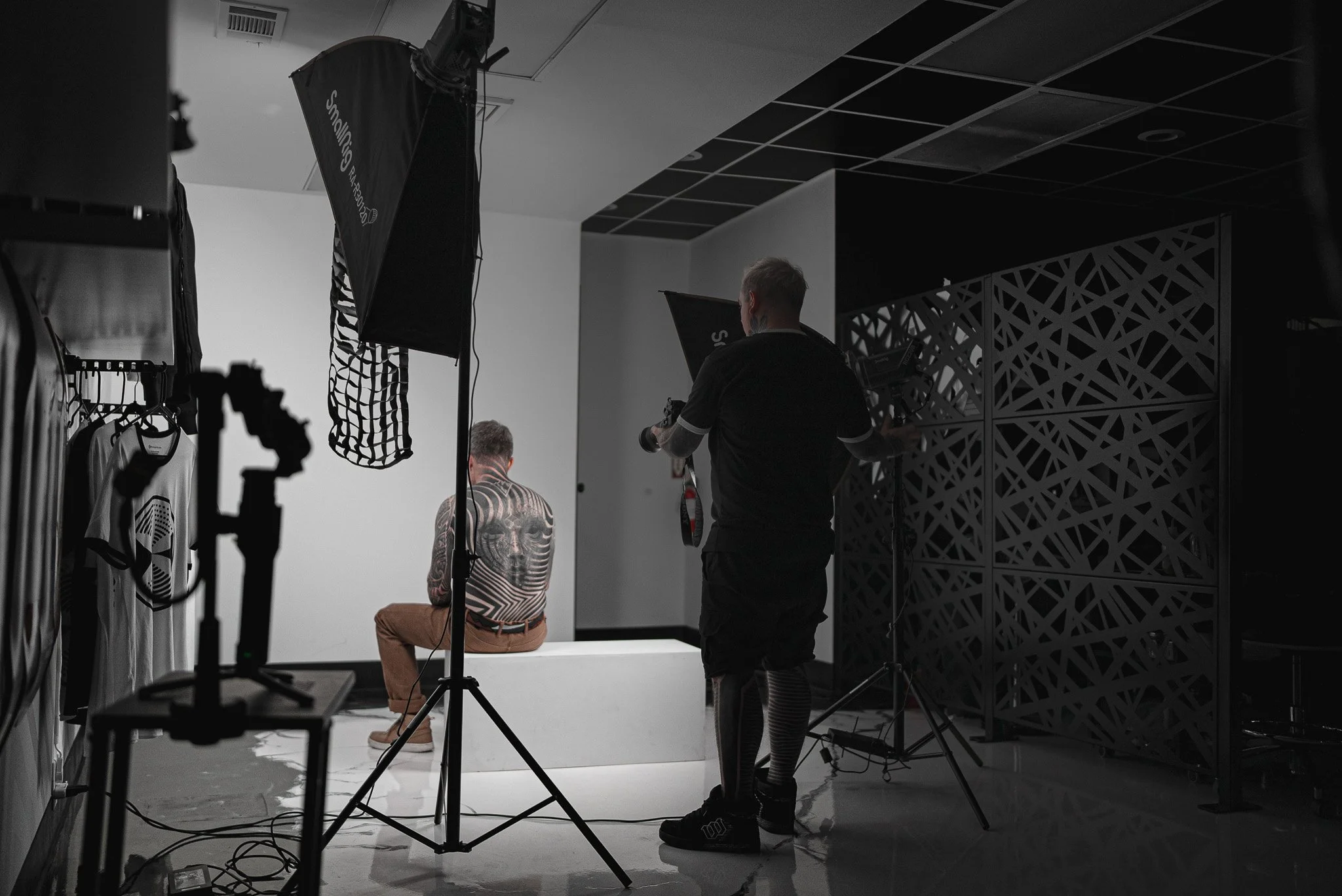
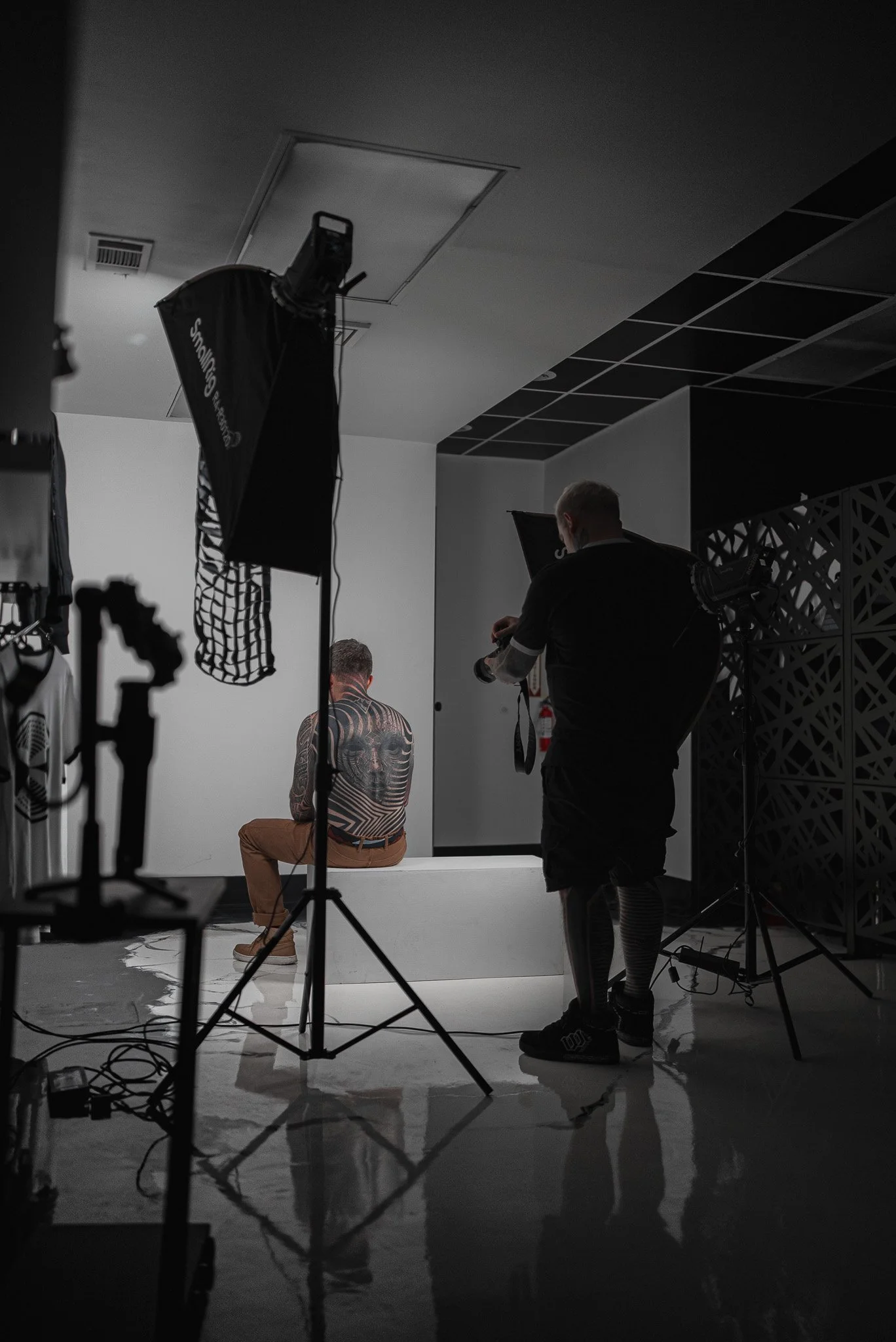
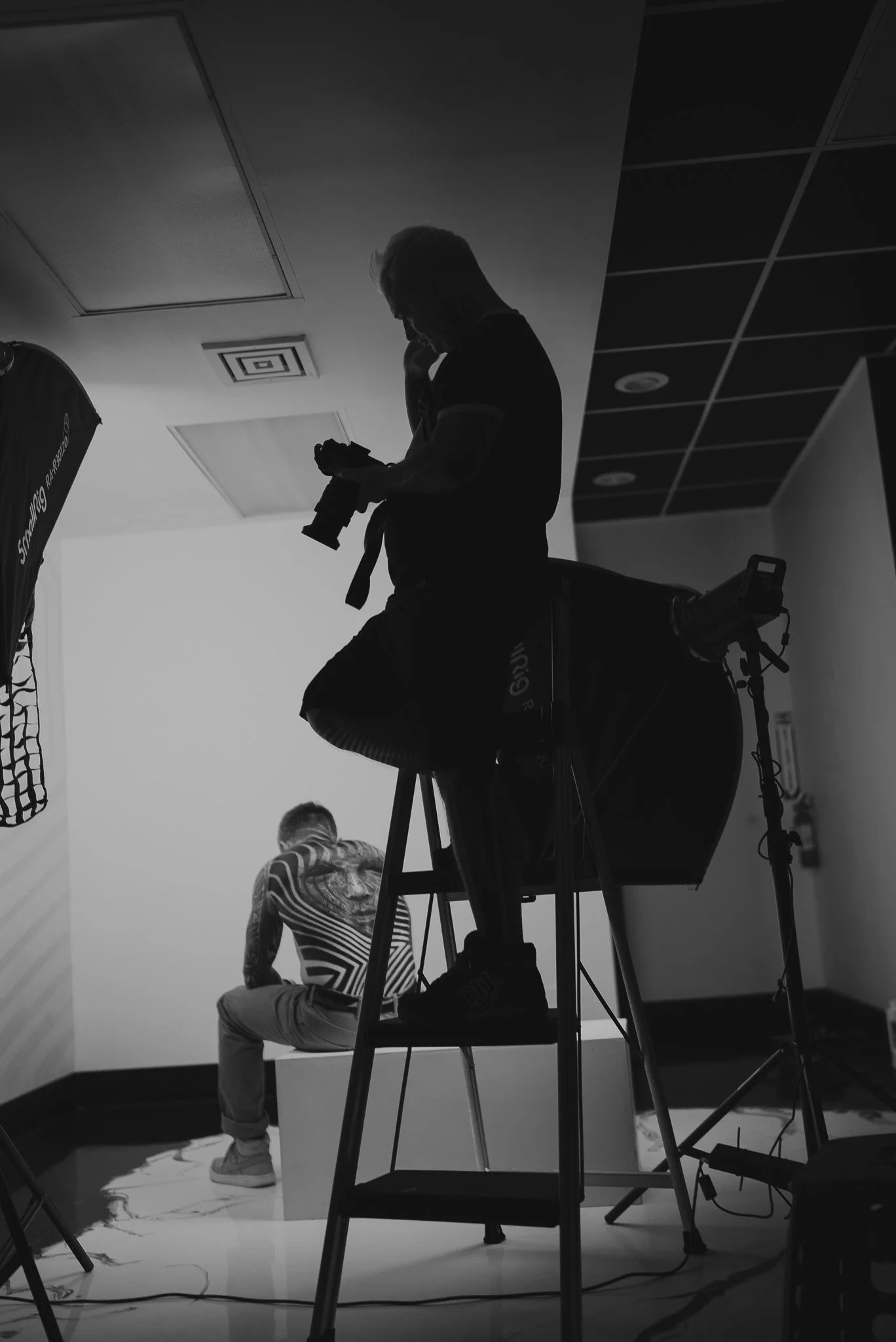
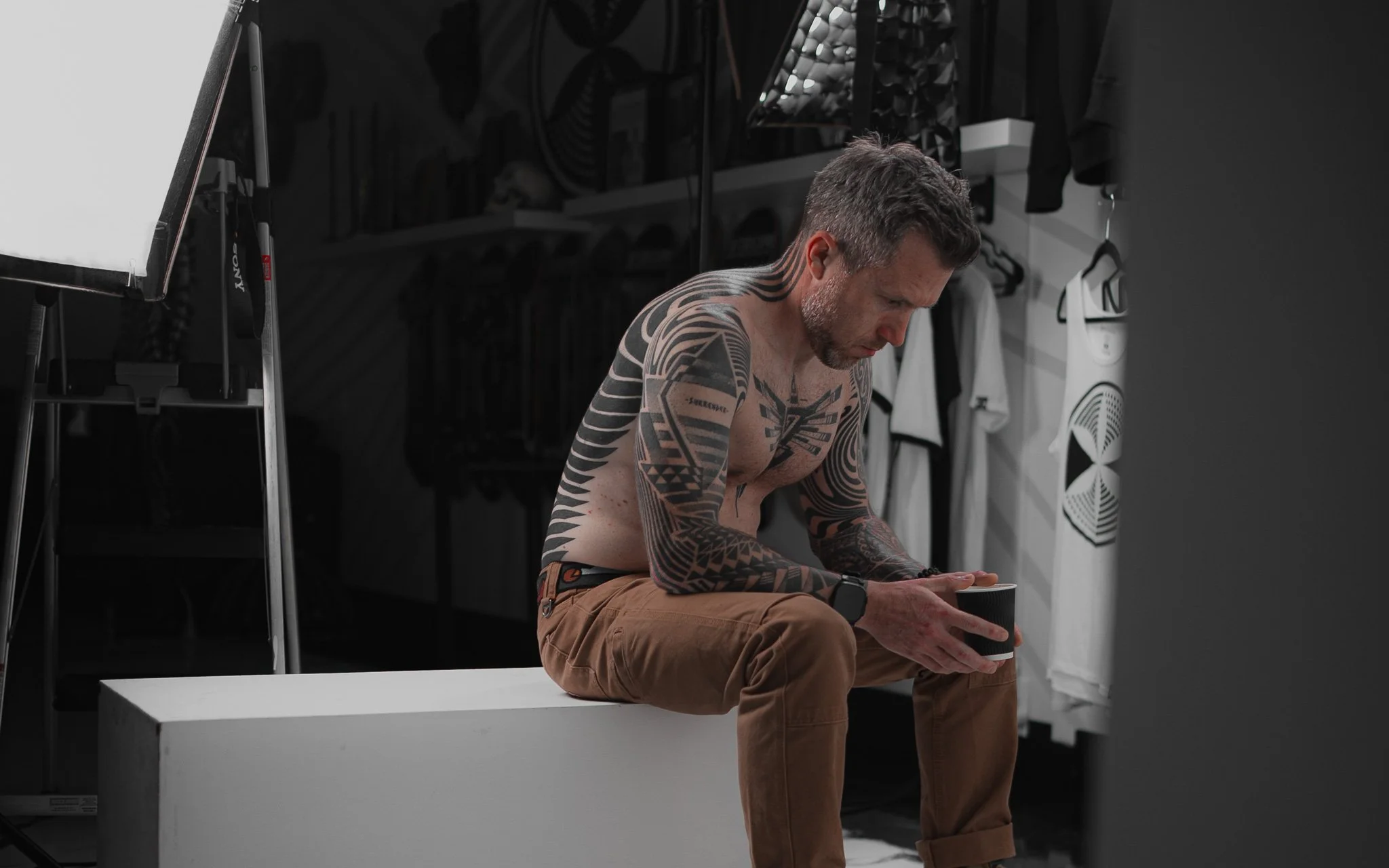
It is a series of experimental works in which I explore how several visual languages can exist as one system.
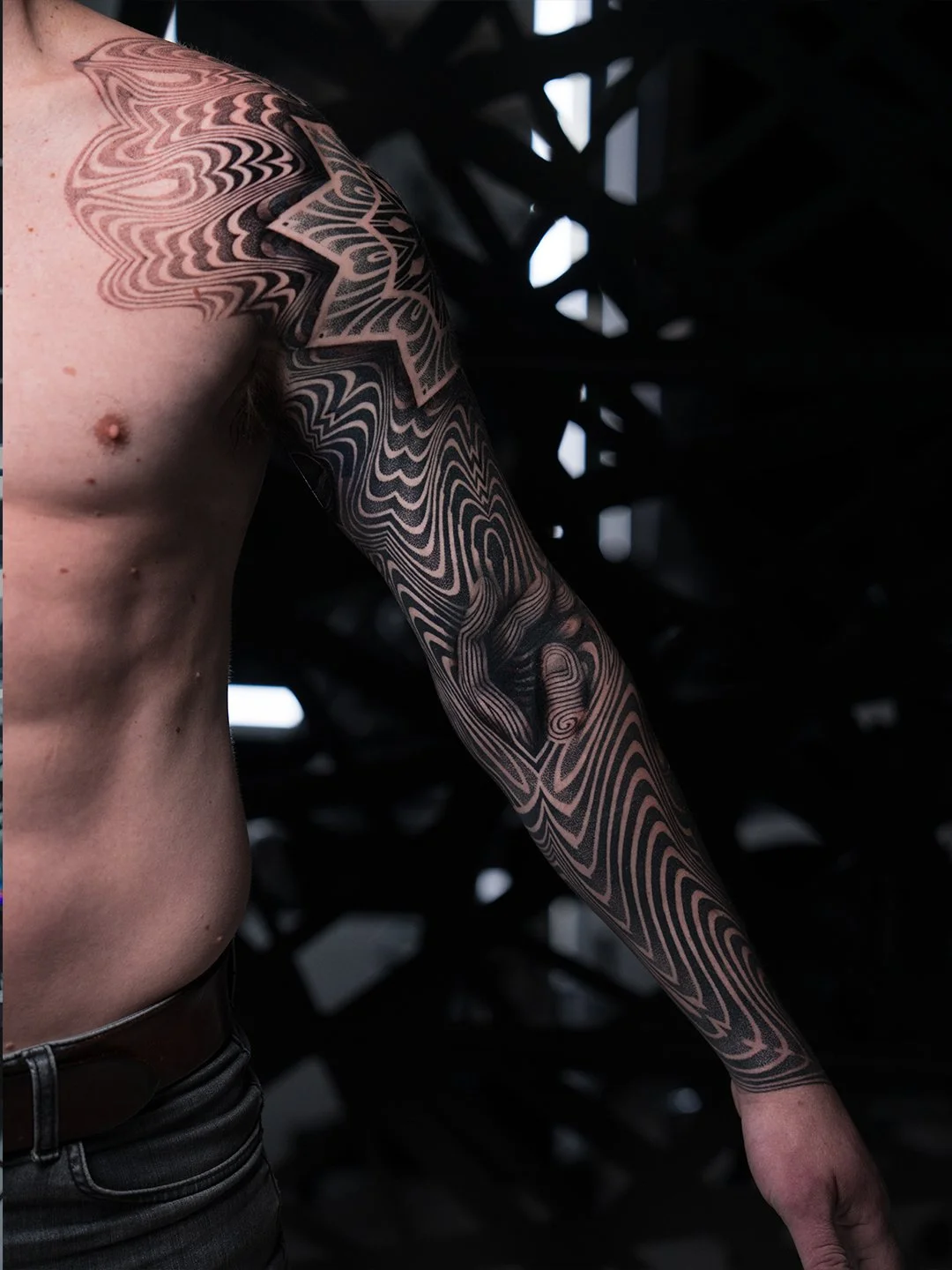
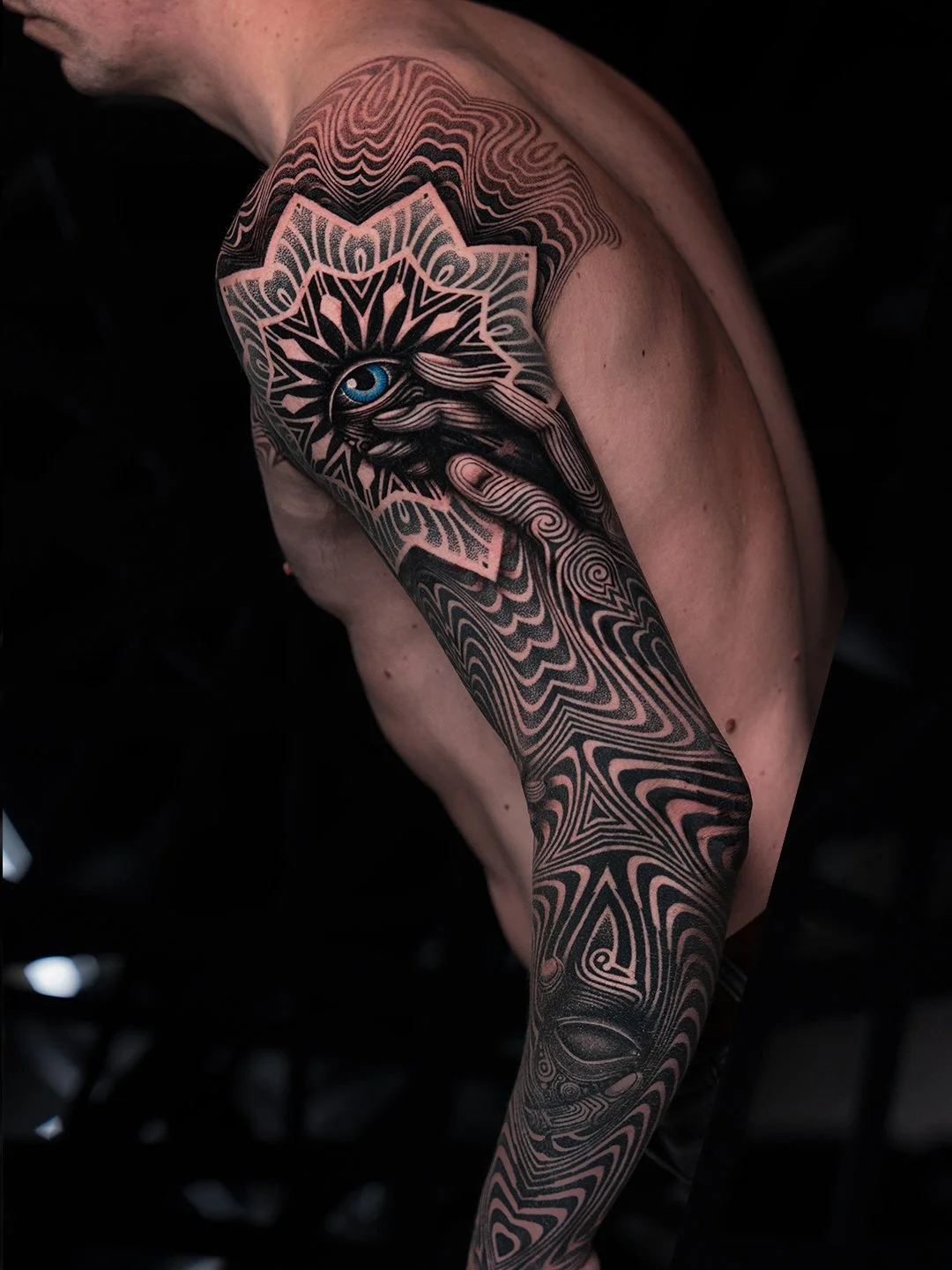
Here, ornament is no longer simply a decorative element. It can become part of a face, continue an anatomical structure, or transform into a complex organic form. Geometry can break apart the human form and then rebuild it. A face can exist in several states at once or fragment into separate visual layers.
Optical illusions alter the perception of depth and make the image behave differently depending on distance and viewing angle. Organic elements interact with the anatomy of the body and gradually become part of the overall form. It is especially important to me that these elements do not look like a collection of separate stylistic techniques. The main challenge is to make them exist within a single composition and speak the same visual language.
This is why every work in Project Decay is built first and foremost around the human body.
I do not want to simply transfer a pre-designed image onto the skin. The composition must interact with the specific anatomy of the person: changing with the contours of the body, following the natural lines of muscles and bone structure, and creating a new perception of the human form. In some works, the body becomes part of an optical illusion. In others, human anatomy becomes the foundation for the ornament. Sometimes the human image begins to literally dissolve into geometry or an organic structure. I am interested in that moment when the viewer does not immediately understand exactly
what they are seeing.What is human, and what is ornament?
Where does anatomy end and an abstract structure begin?
What exists on the surface, and what appears to lie deeper beneath it?
And where is the boundary between order and destruction?
This is where the name Decay comes from.
the name
The name takes me back to the very beginning of my creative journey, long before tattooing, to a period of my life when music was my main form of creative expression.
Today, however, it has taken on an entirely different meaning for me. To me, Decay is not simply about literal physical decomposition or destruction. It is a process of transformation.
An existing structure begins to break apart, but something new emerges from its elements. The human form, ornament, geometry, and organic elements gradually lose their familiar boundaries and become a different visual system.
Each new work becomes another stage in the exploration of composition, anatomy,
movement, illusion, and the interaction between different visual languages.
tHE eXPERIMENT
For me, Project Decay is therefore not a single series of tattoos with a predetermined conclusion - It is an ongoing experiment.
I do not know what final form this process will ultimately take - and that is exactly what makes it interesting to me.
Project Decay is an attempt to break down the boundaries between the styles that have surrounded and inspired me for many years, and to build from their elements a visuallanguage of my own.
